Rooftop, Ground-Mounted, or Community Solar: Which Option Fits Your Property?
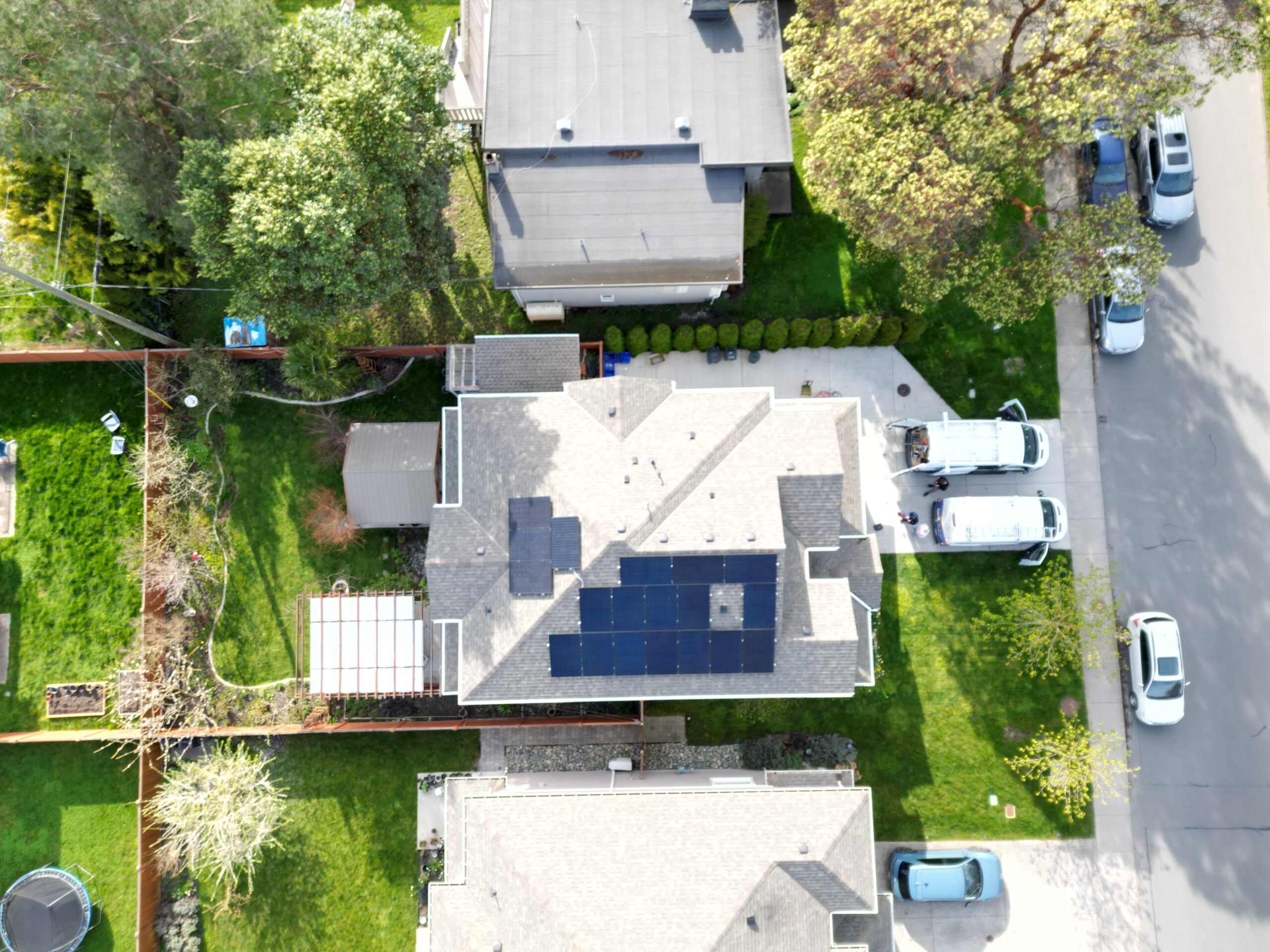
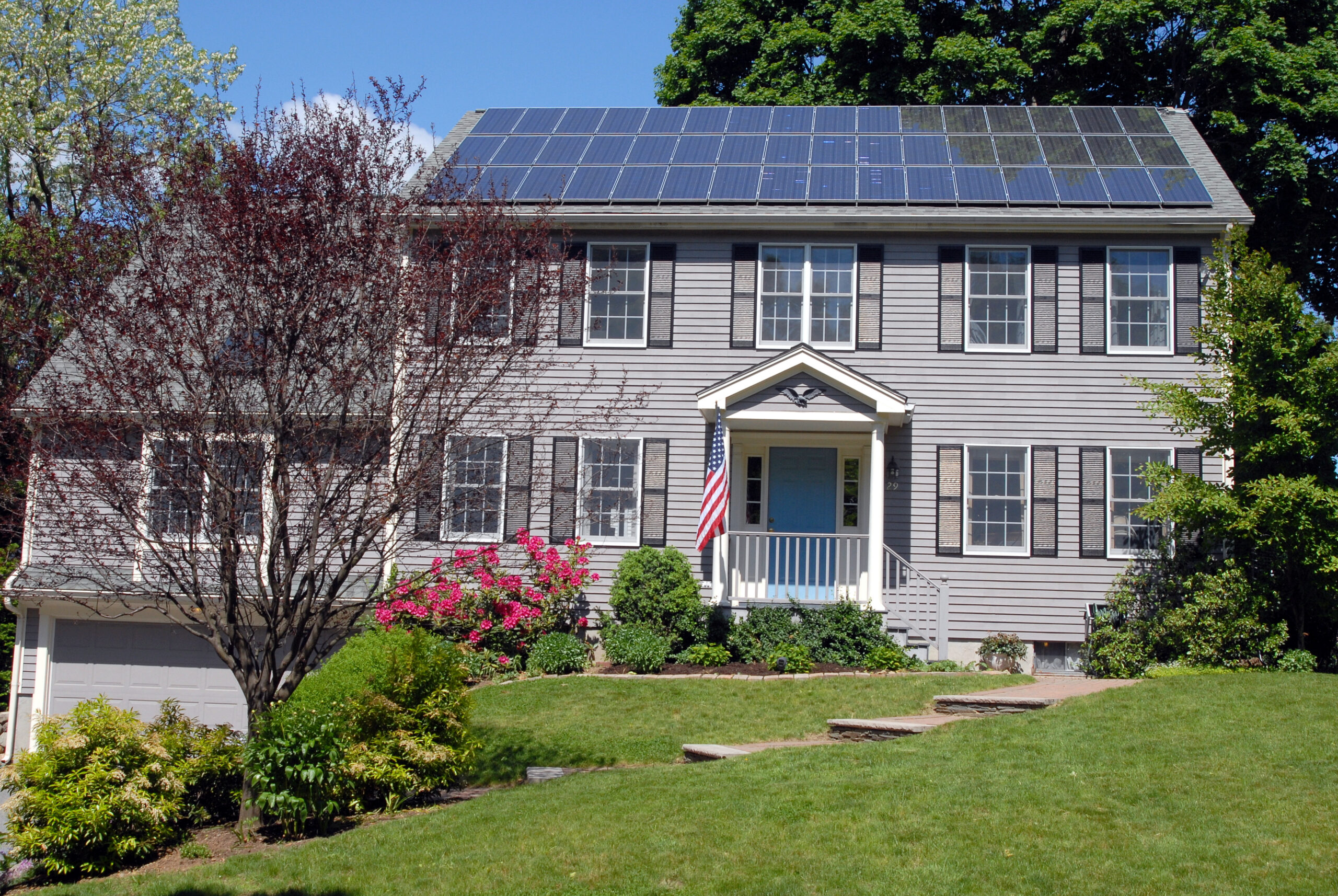
Quick answer Start with rooftop solar if you own the property and have a sound, reasonably unshaded roof. Compare ground-mounted solar if your roof is unsuitable…
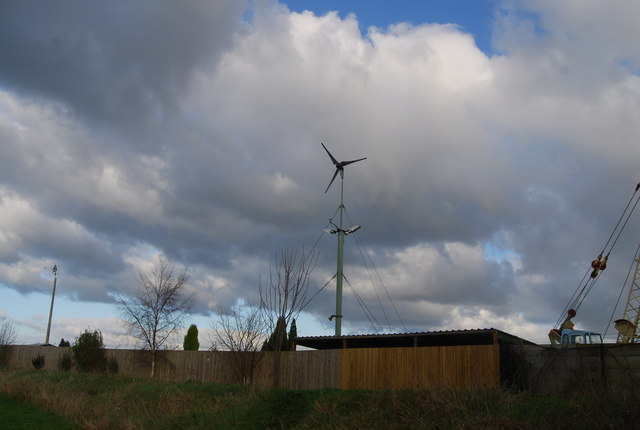
Quick answer: Your property is worth investigating for small wind if it has a usable wind resource at the proposed turbine height, room for an appropriate…
Quick answer: Combining solar and wind makes sense when your property has a usable wind resource, wind produces during important solar shortfalls, and that benefit justifies…
Quick answer Size backup around what must stay powered and for how long, then check two separate requirements: battery energy in kilowatt-hours (kWh) and output power…
Quick answer: Ordinary grid-connected solar usually stops supplying electricity when the utility grid fails—even in bright sunshine. This safety behavior prevents an unintended electrical “island.” Backup…
Quick answer: Compare complete installed cash prices for the same scope, then check the evidence behind each proposal’s annual electricity estimate. Request separate details for equipment,…
Quick answer Start with net upfront cost ÷ first-year net savings for a rough, cash-purchase payback estimate. Then build a year-by-year calculation that includes maintenance, replacements,…
Quick answer kW measures power; kWh measures energy delivered or used over time. A system’s rated kW is not its daily or annual electricity production. Capacity…
Quick answer: Assess the whole project—not just its electricity production. Before installing solar or small wind, ask what equipment manufacturing involves, what the installation will disturb,…
Quick answer: Plan solar around the value of electricity—not just annual production. Electricity used on-site avoids purchases at the applicable import rate; exported electricity earns whatever…